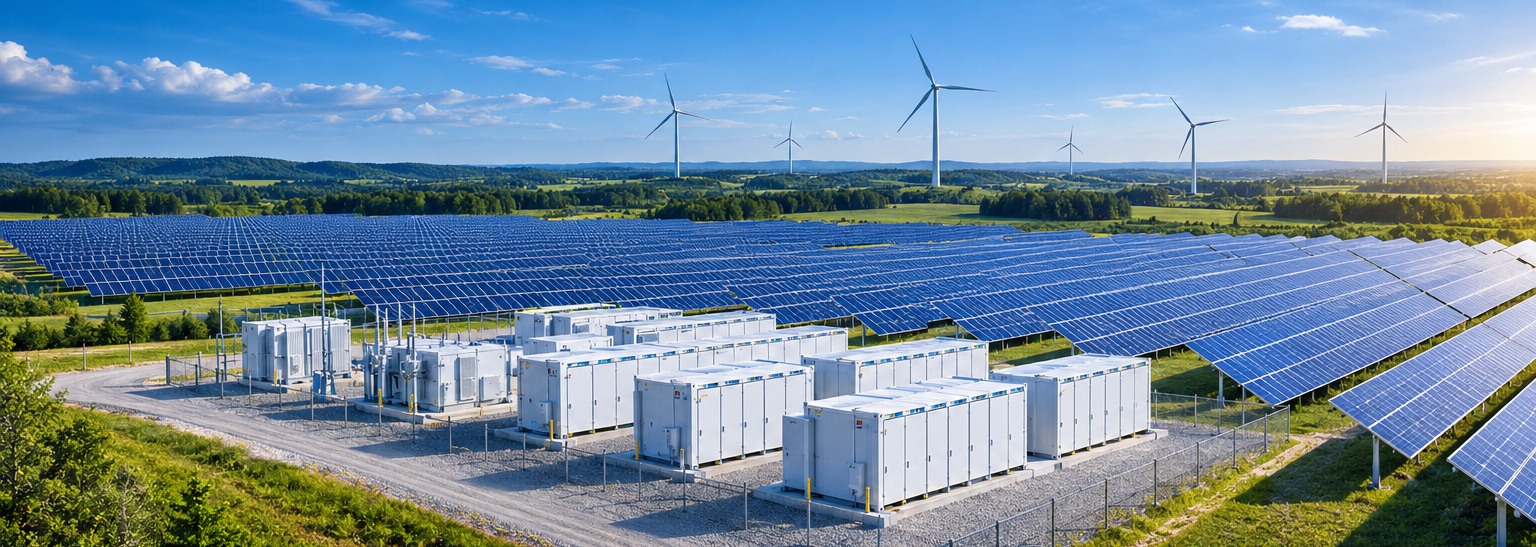
Solar PV + BESS
Renewable firming, energy shifting and dispatch flexibility.
TYR Aurora designs and coordinates integrated energy solutions that bring together solar PV, battery storage, power infrastructure, modular systems, and intelligent energy management.
Every project starts with the operating need. We review load behaviour, electrical constraints, site conditions, commercial objectives, and future expansion plans.
Understand facility loads, tariffs, electrical limits and operating patterns.
Configure generation, storage, transformation, charging and control technologies.
Coordinate product selection, suppliers and technical interfaces.
Develop strategies for peak management, renewable utilization and flexibility.
Energy technologies work best as coordinated systems, designed around the requirements of each project.
Explore Applications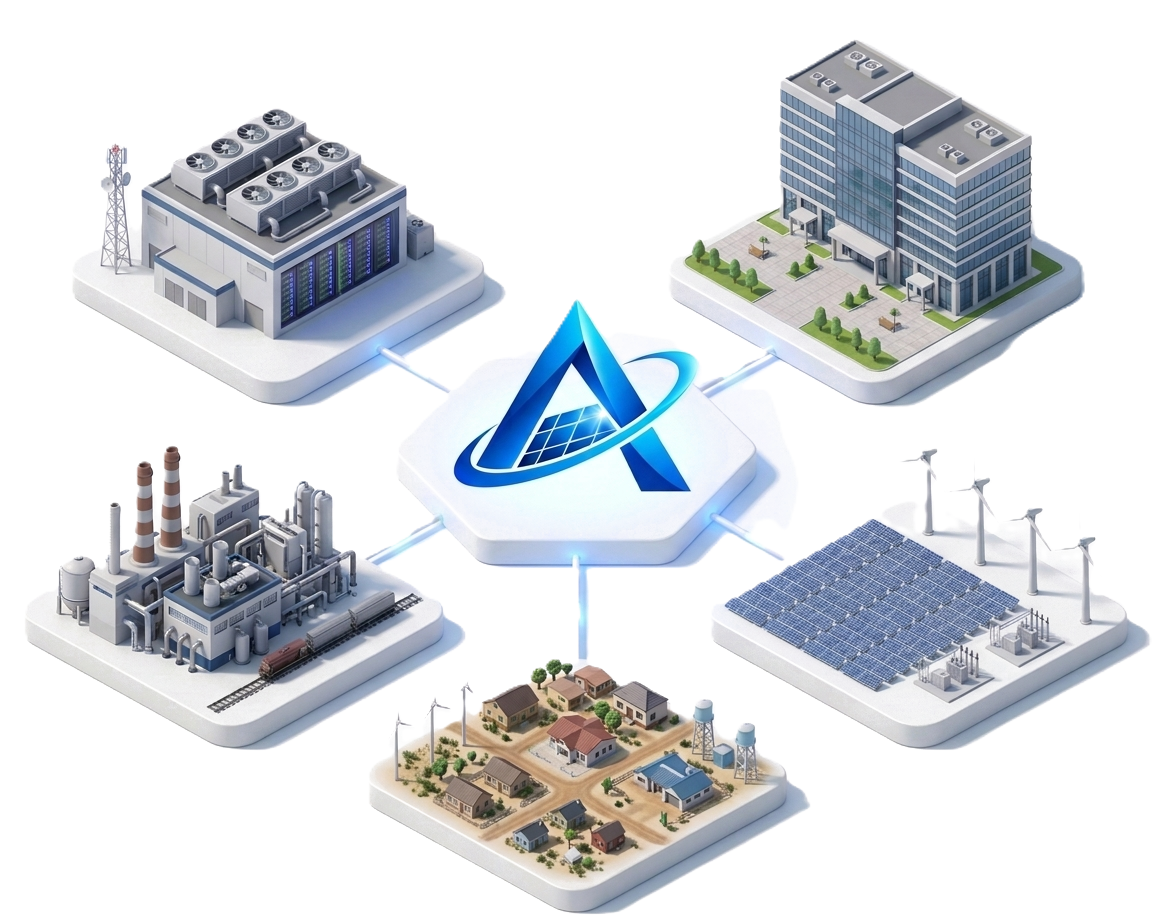
Historical electricity demand was assessed to compare modular BESS configurations for peak management and electrical capacity optimization.
Historical-load simulation indicated approximately 65% full coverage of modeled peak-shaving days under the stated assumptions. This is not a verified savings result or completed installation.
Discuss a Similar ProjectTYR Aurora Energy Solution Ltd. is a Canada-based energy solutions company focused on integrated energy systems, intelligent energy management, and advanced power infrastructure.
We connect customer requirements with suitable technologies and coordinated system concepts. Our work combines energy assessment, system architecture, equipment sourcing, and integration planning.
Understand → Configure → Coordinate → Optimize
Detailed engineering, permitting, certification, installation and commissioning are performed or approved by appropriately qualified parties where required.








Application-specific energy concepts tailored to load profiles, grid constraints, commercial structures and growth plans.
Standalone BESS, solar-plus-storage, power transformation and plant controls for large energy projects.
Standalone storage, solar-plus-storage, EV charging coordination and industrial microgrid concepts.
Transformers, switchgear, battery systems, backup infrastructure, controls and modular deployment.
Hybrid microgrids for remote communities, resource operations and sites with limited grid access.
Powering Large-Scale Energy Projects with Integrated Technologies and Reliable Supply
TYR Aurora supports utility-scale renewable energy developers, independent power producers (IPPs), EPC contractors, and infrastructure investors in developing reliable, scalable, and cost-effective energy projects.
We combine advanced energy technologies, global equipment sourcing capabilities, and system integration expertise to help our partners optimize project design, improve technical and commercial feasibility, reach more potential investors and streamline project implementation.
From standalone battery storage to solar-plus-storage and hybrid energy systems, we deliver tailored solutions designed to meet project-specific technical, operational, and investment requirements.
Explore the energy infrastructure applications TYR Aurora can support through equipment sourcing, technical coordination and system integration.
Renewable firming, energy shifting and dispatch flexibility.
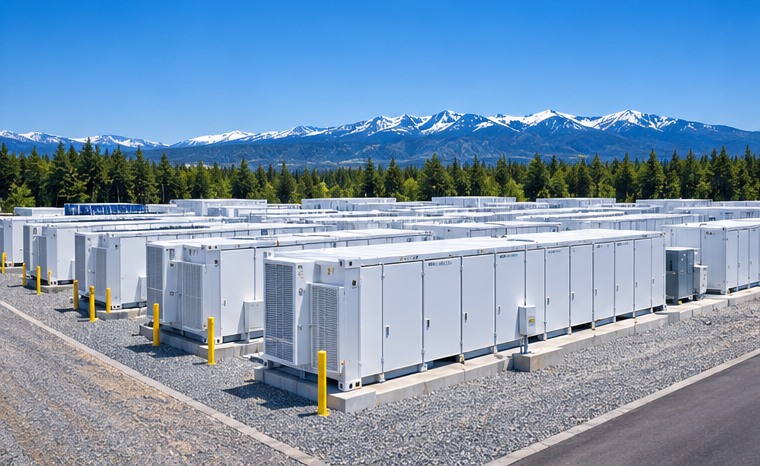
Peak management, grid flexibility and potential market services.
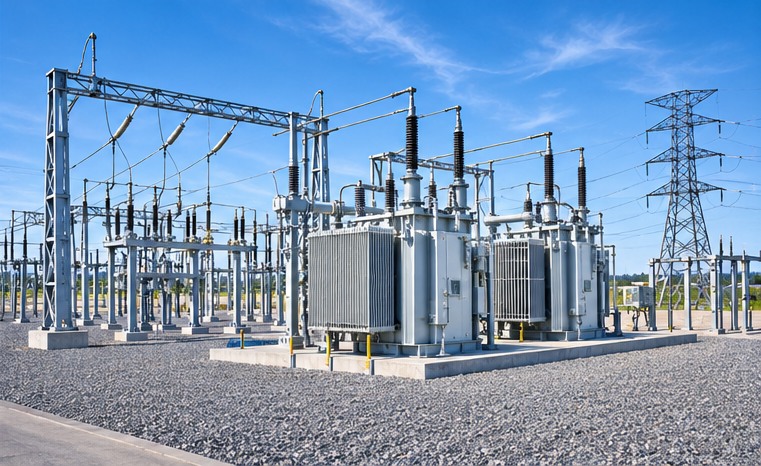
Transformers, switchgear and coordinated electrical integration.
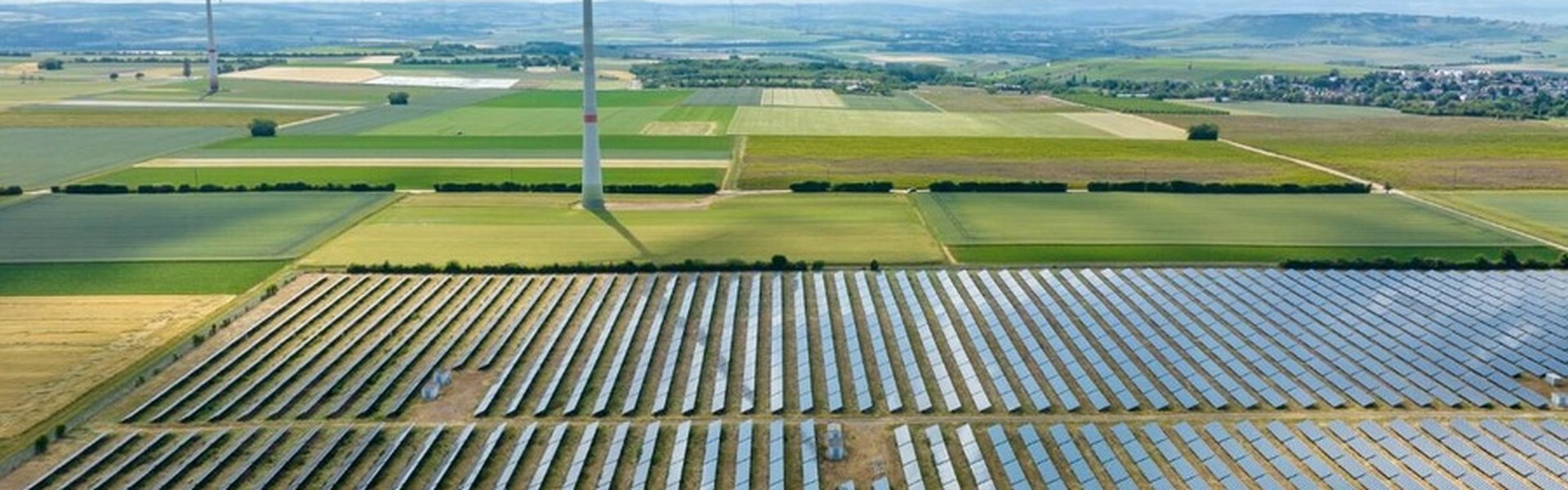
Renewable output smoothing and improved operational flexibility.
Energy management and controls can help coordinate generation, storage and grid interfaces, with operating strategies tailored to project requirements and applicable market rules.
TYR Aurora works with qualified technology and engineering partners to assess integration, monitoring and dispatch needs.
Flexible Storage. Smarter Grid Integration.
Containerized battery energy storage solutions designed for utility-scale applications, including standalone storage, renewable energy integration, and grid flexibility.
Our solutions support energy shifting, peak management, renewable energy firming, and potential participation in electricity markets and grid services, subject to local market rules.
Maximize Renewable Energy Value.
Integrated solar-plus-storage solutions combining high-performance PV modules, utility-scale BESS, power conversion equipment, and coordinated energy management.
These systems can improve renewable energy utilization, provide greater dispatch flexibility, and support revenue optimization based on applicable electricity market conditions.
Integrated Systems for Reliable Power Delivery.
Customized energy system configurations integrating renewable generation, battery storage, transformers, switchgear, and other power infrastructure.
We help developers address system compatibility, electrical integration, scalability, and project-specific grid connection requirements.
From Technical Concept to Integrated Energy Solution
System Assessment & Design: Preliminary technical evaluation, system configuration, storage sizing, and operating strategy development.
Equipment Sourcing: Access to qualified global suppliers of battery storage systems, solar PV modules, transformers, switchgear, and related equipment.
Technical Integration: Equipment compatibility assessment, system architecture coordination, and integration support with engineering and EPC partners.
Project Optimization: Technical and commercial comparisons to balance capital investment, operating performance, and potential project revenues.
Implementation & Lifecycle Support: Procurement coordination, technical documentation, commissioning assistance, and long-term service coordination through qualified partners.
Improve project value through appropriate technology selection, system sizing, equipment sourcing, and evaluation of potential revenue opportunities.
Access established equipment manufacturing resources and coordinated technical support to improve procurement efficiency and equipment compatibility.
Simplify coordination across equipment manufacturers, engineering teams, and project stakeholders through an integrated approach.
Develop modular energy systems that can accommodate different project capacities, operating requirements, and future expansion.
Enable energy shifting, renewable integration, and potential grid service participation through appropriately designed storage and energy management systems.
Your Project Vision. Our Integrated Energy Solutions.
Whether developing a standalone BESS facility, a utility-scale solar project, or an integrated renewable energy system, TYR Aurora helps connect the right technologies, equipment, and technical resources to move your project forward.
Smarter Energy. Lower Costs. Greater Flexibility.
TYR Aurora delivers integrated energy solutions for commercial and industrial customers across Canada. We combine solar PV, battery energy storage, EV charging infrastructure and intelligent energy management to help businesses reduce electricity costs, optimize existing power infrastructure, enhance resilience and support long-term sustainability goals.
Our modular approach enables flexible configurations tailored to each customer's energy demand, site conditions and investment objectives.
Flexible energy solutions for businesses with high electricity demand, charging requirements or limited electrical capacity.
Peak demand management, electrical capacity optimization and operational resilience.
Coordinate facility loads, rooftop solar and future charging infrastructure.

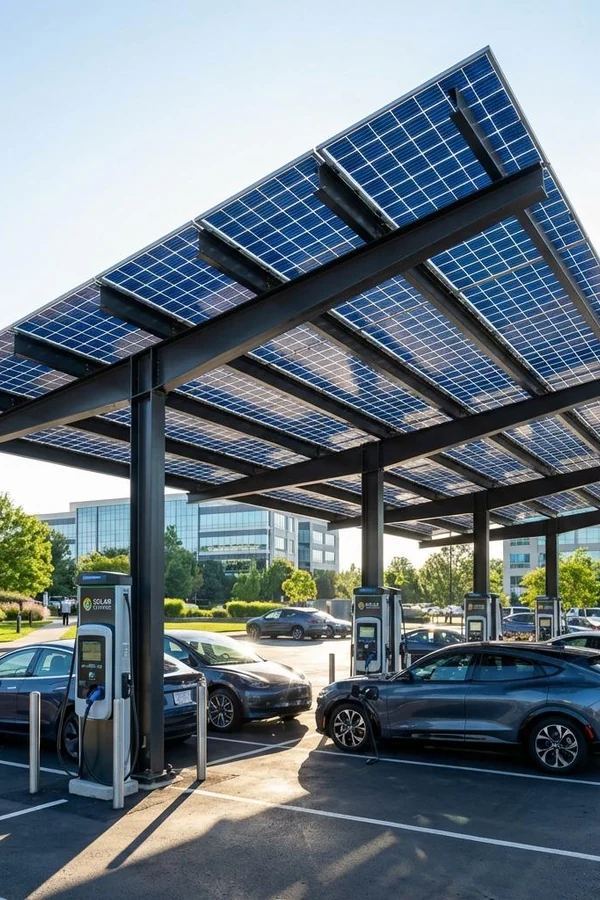
Integrate EV charging with solar and storage while managing site demand.

Modular energy systems to support cost management and sustainability goals.
Integrated configurations matched to site conditions and business objectives.
One Integrated System. Multiple Energy Benefits.
An integrated solution combining on-site solar generation, battery energy storage and EV charging infrastructure under coordinated energy management.
Ideal Applications: Commercial buildings, industrial facilities, logistics centres, fleet depots and commercial parking facilities.
Standardized Modules. Flexible Scalability. Optimized Performance.
Modular BESS solutions built around standardized 261 kWh battery units, with intelligent energy management for electricity consumption optimization and flexibility.
Ideal Applications: Manufacturing plants, warehouses, data centres, large commercial buildings and other energy-intensive facilities.
Integrated Energy. Reliable Power. Flexible Operation.
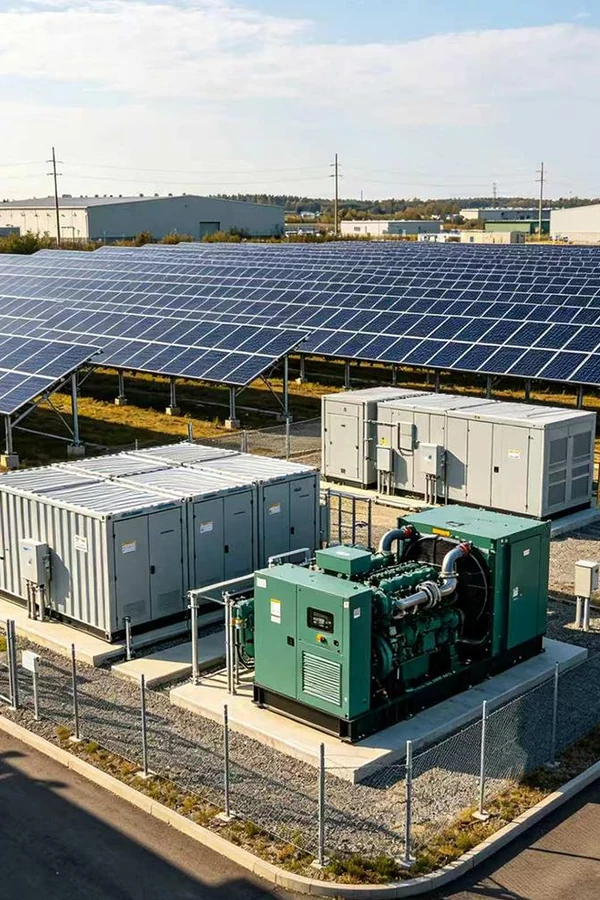
Hybrid energy systems integrating solar PV, battery storage and other distributed energy resources for grid-connected and off-grid applications.
Ideal Applications: Remote communities, mining operations, construction sites, industrial facilities and locations with limited grid capacity.
Optimizing Industrial Power Capacity with Modular Battery Storage
Location: Richmond, British Columbia, Canada
Application: Industrial Peak Shaving & Demand Management
Selected configuration: 10 × 261.248 kWh all-in-one BESS units
An energy-intensive industrial facility with contracted electrical capacity of 6.7 MVA sought to manage peak loads, improve power stability and potentially defer expensive electrical upgrades. It also wished to explore future grid flexibility opportunities.
TYR Aurora analyzed 19 months of actual electricity consumption using 15-minute load intervals. The customer selected a proposed 10-unit modular configuration with approximately 1.25 MW rated power and 2.61 MWh installed capacity.
The proposed system includes outdoor-rated modular units, 480 V three-phase integration, peak-shaving controls and flexible operating strategies. Power quality support and future utility programs remain subject to engineering, approval and eligibility.
Battery discharge during peak production can reduce grid demand and potentially defer infrastructure upgrades.
Historical simulations indicate the selected configuration could fully meet the 6,000 kVA target on approximately 65% of modeled peak-shaving days.
Voltage and reactive power support may be available, subject to equipment capabilities and detailed engineering.
Potential participation in demand response or utility-directed services, subject to eligibility and approvals.
Performance figures are preliminary historical-load simulations, not verified post-installation results. Actual savings and operating performance depend on final design, tariffs, dispatch strategy and site conditions.
Reliable Equipment. Flexible Integration. Long-Term Value.
Standardized architecture for flexible configurations and expansion.
Established supply chain resources for solar, storage and power conversion equipment.
Planning around applicable Canadian and North American safety, technical and utility requirements.
Balance investment, operating performance, energy savings and lifecycle costs.
Services coordinated through equipment suppliers and qualified service partners.
From Energy Assessment to Long-Term Optimization
Review bills, load profiles, peaks, site conditions and objectives.
Develop configurations, preliminary sizing, specifications and economics.
Coordinate suppliers, technical compatibility and integration.
Work with qualified partners on permitting, interconnection and commissioning.
Coordinate monitoring, technical support, warranty and optimization.
Power Infrastructure for Centralized and Distributed Digital Capacity
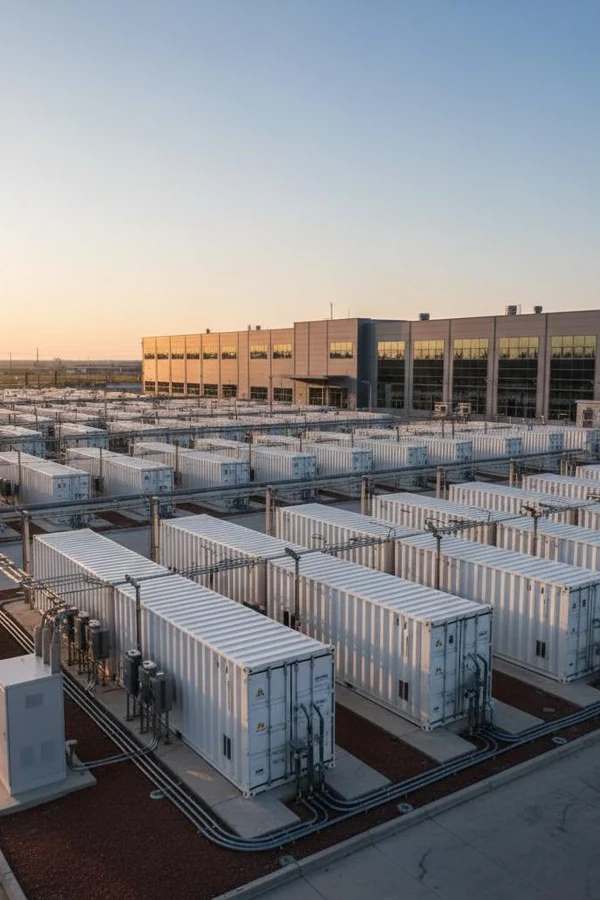
Data centers are not all built around the same infrastructure model. Large centralized facilities require high-capacity utility connections, coordinated campus-level power architecture, and long-term expansion planning. Distributed and edge data centers require standardized, modular, rapidly deployable systems that can operate across multiple locations and under different grid conditions.
TYR Aurora develops project-specific power infrastructure solutions for both models, coordinating transformation, distribution, battery storage, backup generation, modular infrastructure, controls, and energy optimization.
Two different deployment models. One integrated infrastructure approach.
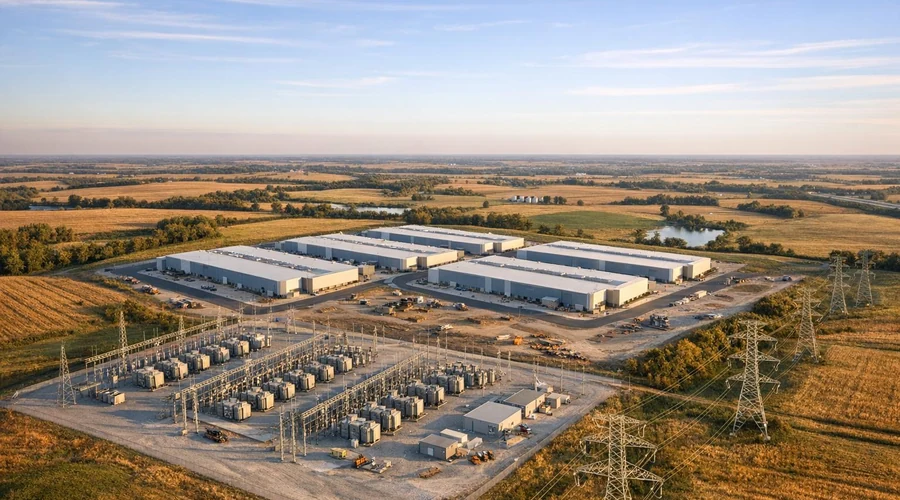
Hyperscale, colocation, AI training, HPC and multi-building campuses requiring coordinated high-capacity power infrastructure.
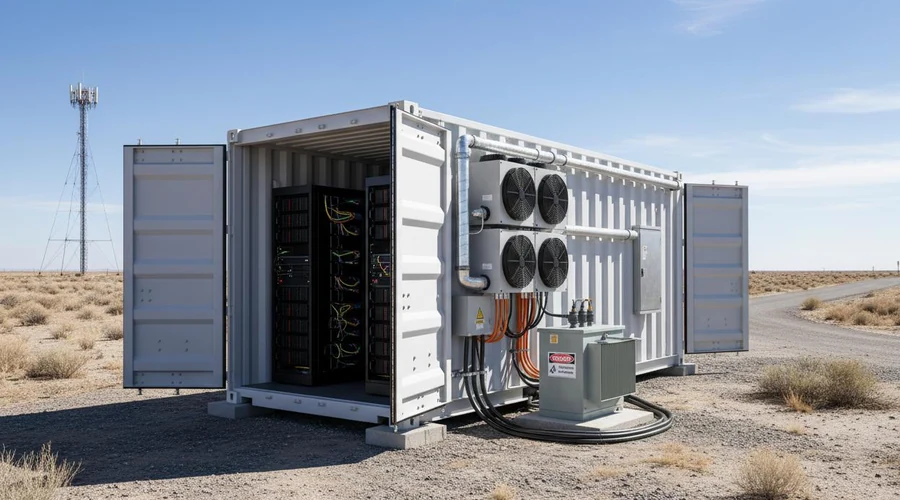
Regional computing nodes, modular facilities, telecom sites and remote AI inference infrastructure designed for repeatable deployment.
High Capacity Power Infrastructure for Large Digital Campuses
Campus-Level Power Infrastructure
Centralized data centers require an integrated power architecture capable of supporting substantial initial loads, future capacity growth, critical operations, and complex equipment interfaces.
TYR Aurora helps developers, operators, investors, and project teams organize the power infrastructure required to advance large data center developments.
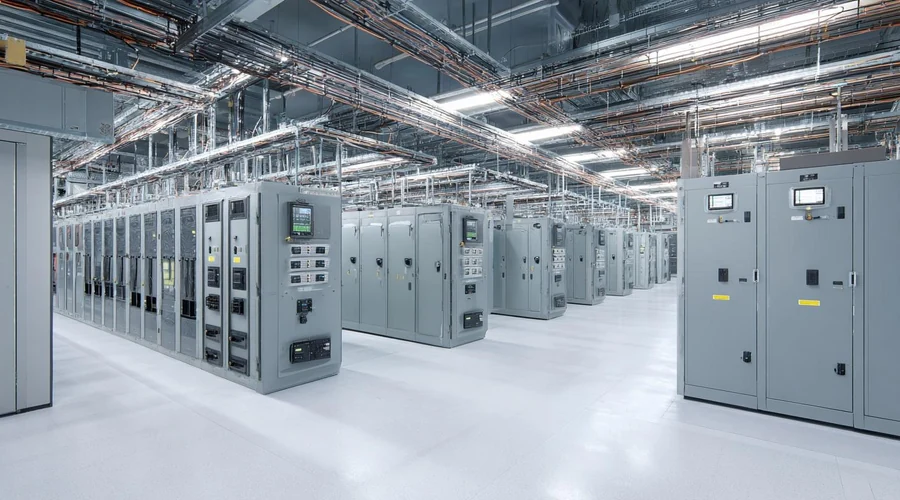
Centralized data center projects may face:
Limited or delayed utility power availability.
Long utility-interconnection and infrastructure-development timelines.
Long lead times for transformers and switchgear.
Rapid changes in AI computing load and rack density.
Coordination of utility feeds, substations, transformers, switchgear, UPS systems, generators, battery storage, and cooling loads.
Large capital commitments before the ultimate IT load is deployed.
Complex redundancy and reliability requirements.
The need to preserve flexibility for future buildings and expansion phases.
We help translate initial and ultimate IT capacity into preliminary electrical infrastructure requirements.
The assessment may consider:
Initial and ultimate IT load.
Rack density and computing-load profile.
Cooling and auxiliary loads.
Diversity and utilization assumptions.
Utility service capacity.
Redundancy objectives.
Backup-power requirements.
Development phases and target operating dates.
This gives the project team a structured basis for utility discussions, system configuration, procurement planning, and detailed engineering.
TYR Aurora helps coordinate preliminary power architecture across the data center campus.
The system concept may include:
Utility service and substations.
High-voltage or medium-voltage connections.
Power and distribution transformers.
Medium-voltage and low-voltage switchgear.
UPS and critical-power systems.
Standby generation.
Battery energy storage.
Power distribution and modular power rooms.
Protection, metering, communications, and controls.
Interfaces with cooling and building-management systems.
Our role is to help identify the major equipment packages, technical interfaces, expansion points, and supplier information required to advance the project.
Instead of installing the full ultimate-capacity infrastructure at the beginning, the project may be developed in planned phases.
TYR Aurora helps evaluate:
Initial and ultimate electrical capacity.
Transformer and switchgear deployment by phase.
Reserved space and connection points for expansion.
Modular battery and backup-power capacity.
Prefabricated electrical rooms and power modules.
Future integration of additional utility feeds or on-site energy resources.
The objective is to align infrastructure investment with computing-capacity growth while preserving a defined expansion pathway.
Battery storage may support centralized data center infrastructure through:
Peak-demand management.
Management of constrained utility capacity.
Coordination with on-site generation.
Renewable-energy integration.
Energy-price optimization where tariffs permit.
Demand response or grid-flexibility participation where available.
Power-quality functions where supported by the final system design.
Support for phased electrical-capacity growth.
The role of battery storage must be evaluated alongside UPS systems, generators, utility requirements, reliability criteria, and the facility’s operating strategy.
Battery storage should not automatically be represented as a replacement for UPS or emergency-generation systems.
TYR Aurora can coordinate sourcing and technical information for:
Power and distribution transformers.
Medium-voltage switchgear.
Low-voltage switchgear.
Battery energy storage systems.
Power conversion systems.
Modular power infrastructure.
Protection and metering equipment.
Monitoring and energy-management systems.
We help organize equipment requirements, supplier engagement, technical comparisons, interface discussions, documentation, and indicative manufacturing schedules.
TYR Aurora helps customers:
Translate computing growth into an actionable power-infrastructure plan.
Coordinate multiple electrical equipment packages within one system concept.
Identify long-lead equipment and procurement priorities earlier.
Evaluate phased infrastructure investment.
Integrate battery storage within the wider power architecture.
Maintain a clear pathway for campus expansion.
Coordinate commercial and technical discussions with equipment suppliers.
Reduce uncertainty before detailed engineering and procurement.
Standardized Modular Power for Distributed Computing
Modular Computing and Power Infrastructure
Distributed and edge data centers require a different infrastructure approach.
Rather than designing every location as a unique large-scale campus, customers often need a repeatable system that can be configured, manufactured, transported, installed, monitored, and maintained across multiple sites.
TYR Aurora helps customers develop modular energy and power-infrastructure concepts for distributed computing networks.
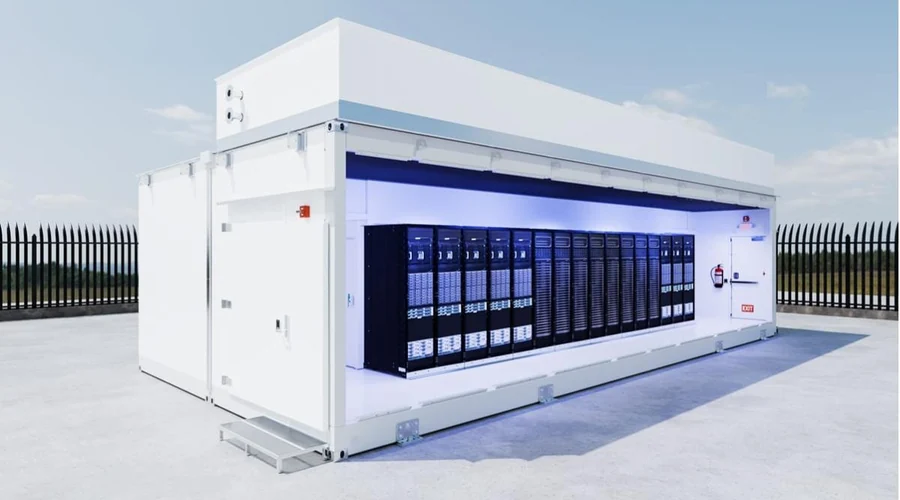
Distributed data center projects may face:
Different grid capacities and voltage conditions at each site.
Limited space and difficult site access.
Short deployment schedules.
Remote or lightly staffed locations.
Inconsistent environmental conditions.
Limited access to maintenance personnel.
The need to standardize equipment across multiple sites.
Requirements for remote monitoring and centralized control.
Unreliable grids or dependence on diesel generation.
Difficulty expanding capacity without redesigning the entire facility.
TYR Aurora helps define repeatable infrastructure modules that can be adapted to different site conditions.
The modular solution may include:
Containerized or prefabricated IT space.
Modular power rooms.
Transformers and switchgear.
UPS and battery systems.
Battery energy storage.
Cooling modules.
Backup generation.
Power distribution.
Monitoring and remote-control systems.
Integrated equipment enclosures.
A standardized architecture can simplify technical interfaces, procurement, deployment, training, spare-parts planning, and future expansion.
Although the core design may be standardized, each location can have different utility, climate, access, and operating conditions.
TYR Aurora helps evaluate site-specific requirements such as:
Available utility capacity.
Service voltage and frequency.
Grid reliability.
Ambient temperature and altitude.
Snow, wind, seismic, dust, humidity, and corrosion exposure.
Transportation and crane access.
Space and acoustic constraints.
Local maintenance capability.
Fuel availability and logistics.
Communications and remote-monitoring access.
The objective is to preserve as much standardization as possible while addressing the conditions of each deployment site.
For remote sites or locations with limited grid capacity, the data center may require a hybrid energy system.
The solution may combine:
Utility power where available.
Solar PV or other local generation.
Battery energy storage.
UPS systems.
Diesel or other standby generation.
Energy-management controls.
Load prioritization and dispatch strategies.
TYR Aurora helps evaluate how these resources can operate together to support the computing load, manage fuel consumption, coordinate renewable generation, and respond to site-specific power constraints.
Actual resilience, fuel reduction, renewable contribution, and operating performance depend on the final system design, load profile, resource data, controls, equipment, and operating practices.
Modular and prefabricated systems can move a portion of construction and integration work away from the project site.
TYR Aurora can help coordinate:
Equipment-package definition.
Prefabricated power modules.
Containerized battery systems.
Modular data center infrastructure.
Factory documentation and interface requirements.
Transport and site-access considerations.
Connection requirements between modules.
Installation and commissioning preparation.
Prefabrication may support more predictable deployment, but project schedules remain subject to engineering, permitting, supplier capacity, manufacturing, transport, site preparation, and commissioning.
A distributed data center network requires visibility across multiple locations.
Depending on the selected technologies and project scope, the monitoring and control concept may include:
Site-level power and energy monitoring.
Battery and generator status.
Utility conditions.
Environmental and cooling-system information.
Equipment alarms.
Remote operating controls.
Performance comparison across sites.
Maintenance and service notifications.
Centralized reporting.
TYR Aurora can help define monitoring requirements and coordinate interfaces among equipment suppliers and the customer’s operating platforms.
Distributed facilities may need to increase capacity at one site or deploy the same infrastructure at additional locations.
TYR Aurora helps plan:
Repeatable module sizes.
Standard equipment configurations.
Defined expansion interfaces.
Additional IT, power, battery, and cooling modules.
Common documentation and equipment schedules.
Fleet-level spare-parts and service strategies.
TYR Aurora helps customers:
Develop a repeatable power-infrastructure platform.
Adapt a standard design to different site conditions.
Coordinate modular IT, power, cooling, storage, and backup systems.
Support faster deployment through prefabricated infrastructure.
Integrate hybrid power systems at grid-constrained or remote sites.
Improve visibility through remote monitoring and control.
Simplify future site expansion and network replication.
Coordinate equipment sourcing across multiple deployments.
Develop a more consistent maintenance and spare-parts strategy.
One Integrated Project Approach
Review IT capacity, rack density, load profile, cooling demand, deployment phases, and operating objectives.
Evaluate utility capacity, site conditions, electrical constraints, reliability requirements, energy costs, and expansion needs.
Develop preliminary concepts for transformation, distribution, UPS, battery storage, backup generation, modular infrastructure, controls, and monitoring.
Support equipment comparison, supplier engagement, technical documentation, interface definition, and procurement planning.
Work with qualified engineering, construction, commissioning, and service partners to support the agreed scope.
Coordinate expansion, monitoring, warranty, maintenance, spare-parts, and operating-strategy requirements where included in the project scope.
Discuss your computing capacity, power availability, deployment schedule and expansion needs.
Large campus-level computing capacity, utility infrastructure, redundancy, and phased expansion.
Discuss a Centralized ProjectModular deployments, remote monitoring, repeatable sites and hybrid power infrastructure.
Discuss a Distributed ProjectReliable Energy for Locations Beyond the Conventional Grid
Remote communities and industrial sites often depend on isolated electrical systems, limited grid connections, or diesel generation for essential power. High fuel-delivery costs, difficult environmental conditions and limited maintenance resources call for a different approach.
TYR Aurora develops integrated energy concepts combining renewable generation, battery storage, conventional generation, power distribution, intelligent controls and modular infrastructure—helping customers plan for reliability, efficient fuel use and future expansion.
Project-specific infrastructure designed around local energy resources, operational needs and site constraints.

Coordinate local renewables, battery storage, existing diesel generation and critical community loads, with local priorities and ownership objectives in view.
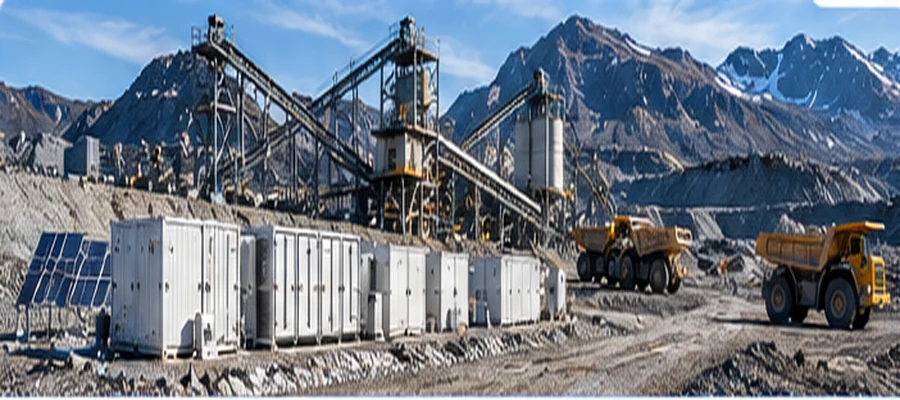
Support exploration camps, mining and processing, worker accommodation and other industrial loads where utility service is limited.
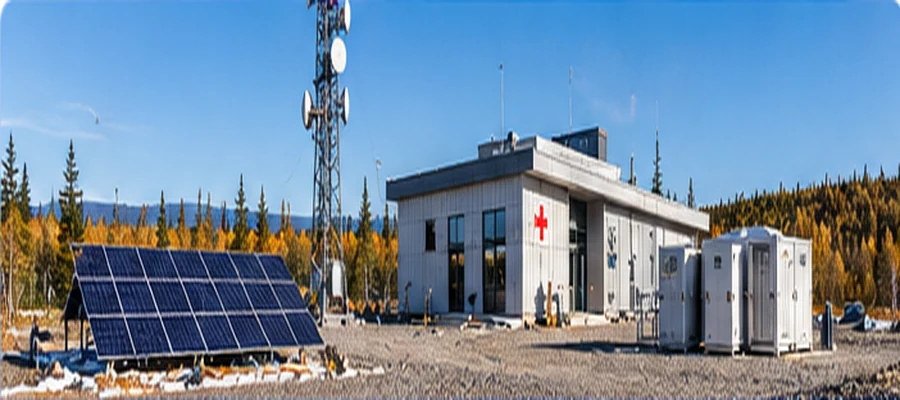
Modular power for telecom, health centres, transportation, water systems, schools and research facilities.
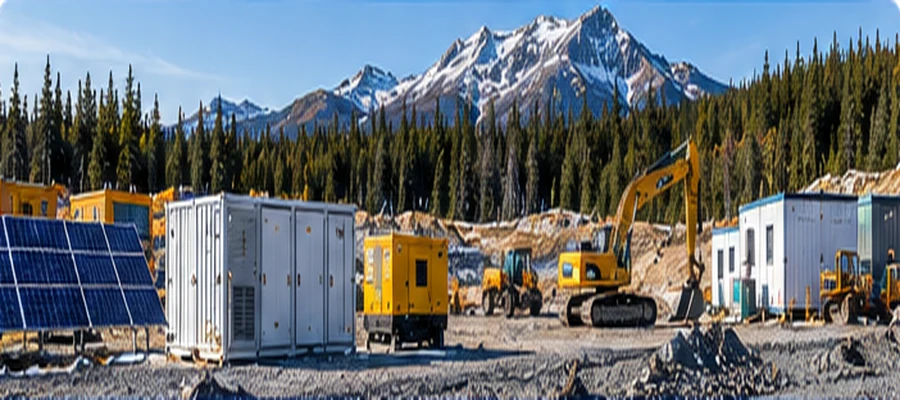
Combine batteries and generator dispatch to manage variable loads, reduce unnecessary idling and support relocatable installations.
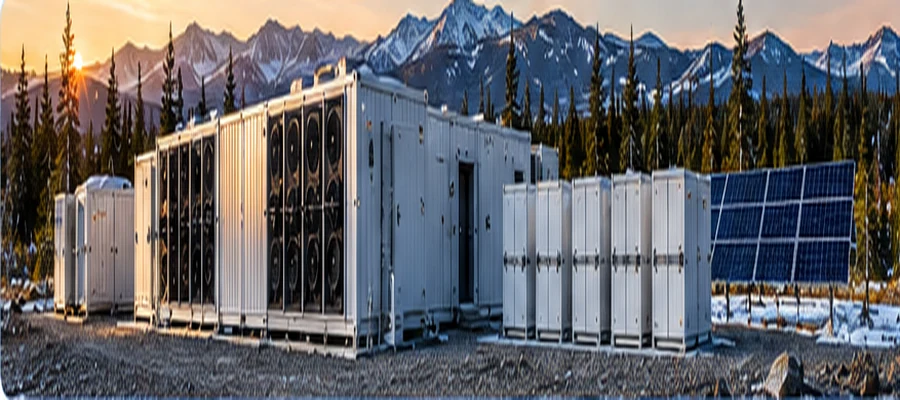
Integrate modular power, UPS, battery storage, backup generation and remote monitoring for computing sites with constrained grid access.
Remote energy projects must account for constraints that are easy to underestimate during equipment selection.
High delivered diesel costs, seasonal access, changing load profiles and limited or unreliable grid service.
Extreme temperatures, transport and lifting limits, constrained site access and long maintenance travel times.
Local operating capacity, community consultation, replacement parts, ownership structures and funding requirements.
Flexible systems configured around measured loads, local resources and long-term operating requirements.
Coordinate solar PV or other renewable generation, battery energy storage, diesel generation, transformers, switchgear, protection and intelligent controls within one system concept.
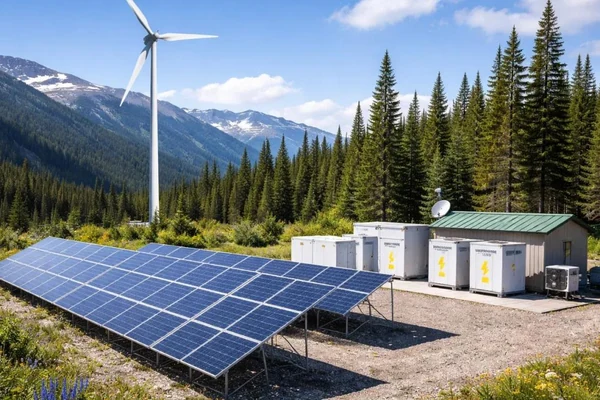
Evaluate battery power and energy capacity to capture excess renewable generation, manage short-duration peaks and reduce generator cycling or idling where feasible.
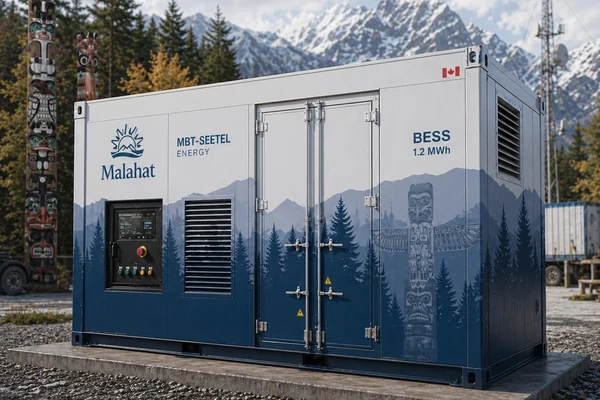
Plan prefabricated power rooms, containerized batteries, integrated transformer packages and monitoring interfaces to simplify deployment and support remote operation.
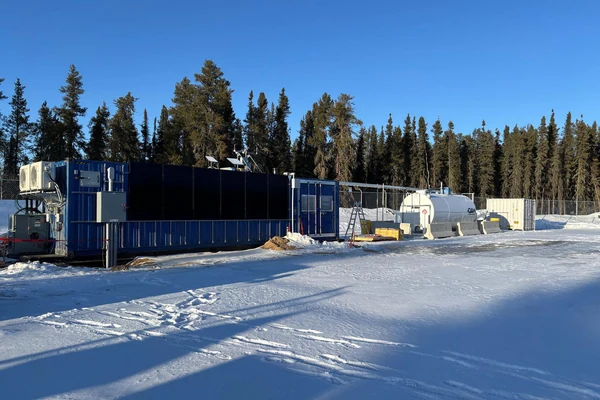
Develop a concept from actual demand, fuel use, site conditions and customer objectives.
Bring renewables, BESS, generators, distribution and controls together rather than treating them as isolated assets.
Support equipment selection, funding-readiness information, supplier coordination and local operating considerations.
Potential benefits include reduced diesel use, fewer generator run hours, improved renewable utilization, resilience and lower emissions. Actual results depend on the final design, site loads, resources, costs and operating strategy; no specific savings are guaranteed.
Review priorities, stakeholders, ownership, access and operating capacity.
Evaluate load, generator use, fuel costs, renewable resources and seasonal conditions.
Compare generation, storage, controls, distribution and modular infrastructure.
Assess preliminary sizing, fuel-displacement potential, funding and lifecycle factors.
Engage customers, communities, qualified engineers, contractors and suppliers.
Coordinate documentation, monitoring, training, maintenance and future expansion.
Tell us about your location, existing power sources, load and generator data, fuel costs, critical loads, site access, project timeline and funding priorities. You can start even if some information is not yet available.
Project-ready technologies selected according to site requirements, supplier documentation, applicable codes and approvals.
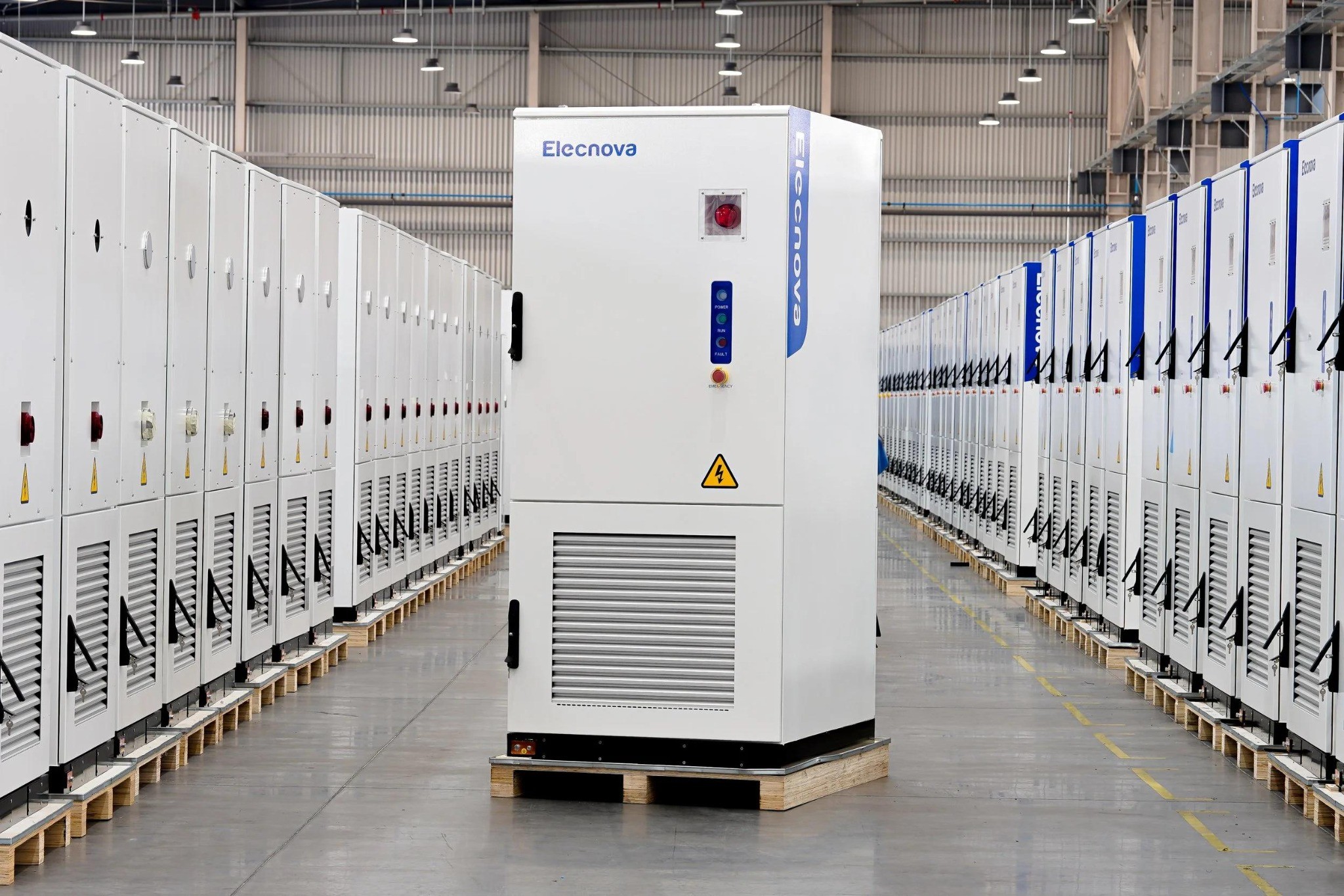
261.248 kWh class modular all-in-one battery energy storage for commercial and industrial applications.
Containerized storage platforms for standalone and solar-plus-storage projects.
Modules selected for electrical, mechanical, environmental and project needs.
Distribution and power transformers for energy and infrastructure projects.
Medium- and low-voltage switchgear and distribution equipment.
Containerized diesel and natural gas generator solutions for remote sites, backup power, and hybrid microgrid applications.
Final specifications, certifications, warranty and availability are subject to exact supplier models and project requirements.
Request Product InformationGotion EDGE X-261
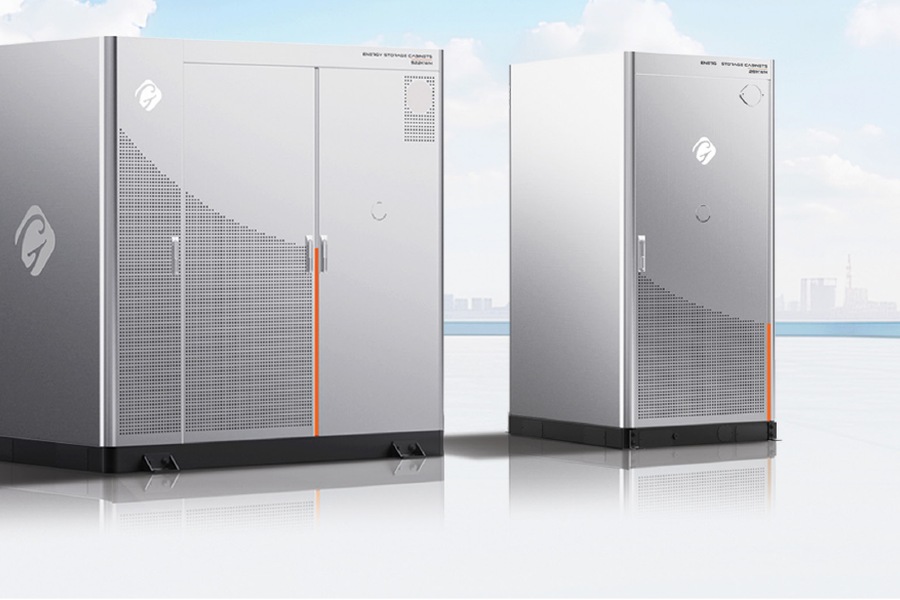
261.248 kWh class integrated battery storage for commercial and industrial facilities.
Specifications, certifications, availability and suitability must be confirmed for the selected model and project. Refer to the datasheet for detailed information.
Tell us about your site, electrical requirements, project location and timeline. We can help assess equipment fit and integration needs.
Contact TYR AuroraContainerized Utility-Scale Energy Storage
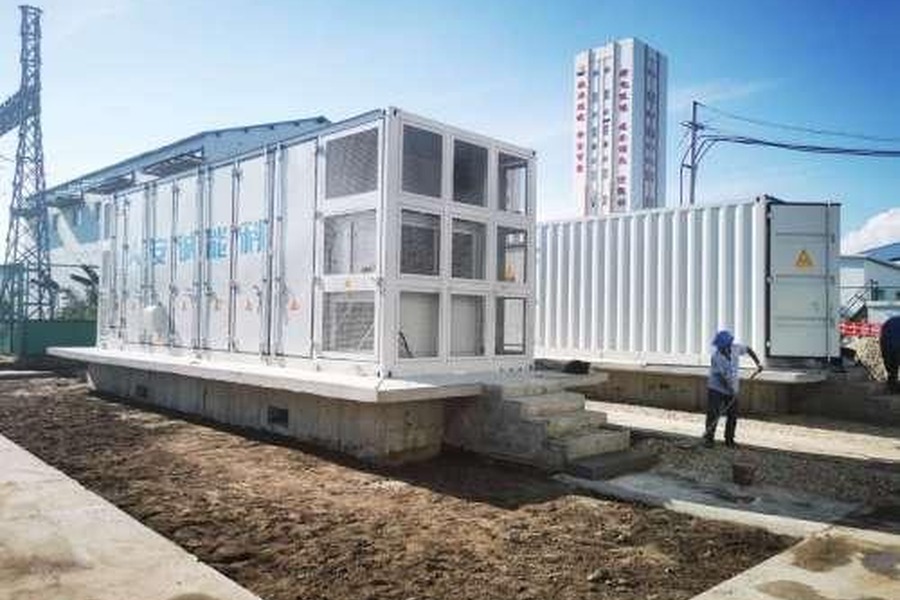
Modular utility-scale energy storage designed for grid-connected renewable energy and flexibility projects.
Specifications, certifications, availability and suitability must be confirmed for the selected model and project. Refer to the datasheet for detailed information.
Tell us about your site, electrical requirements, project location and timeline. We can help assess equipment fit and integration needs.
Contact TYR AuroraJA Solar High-Efficiency PV Modules
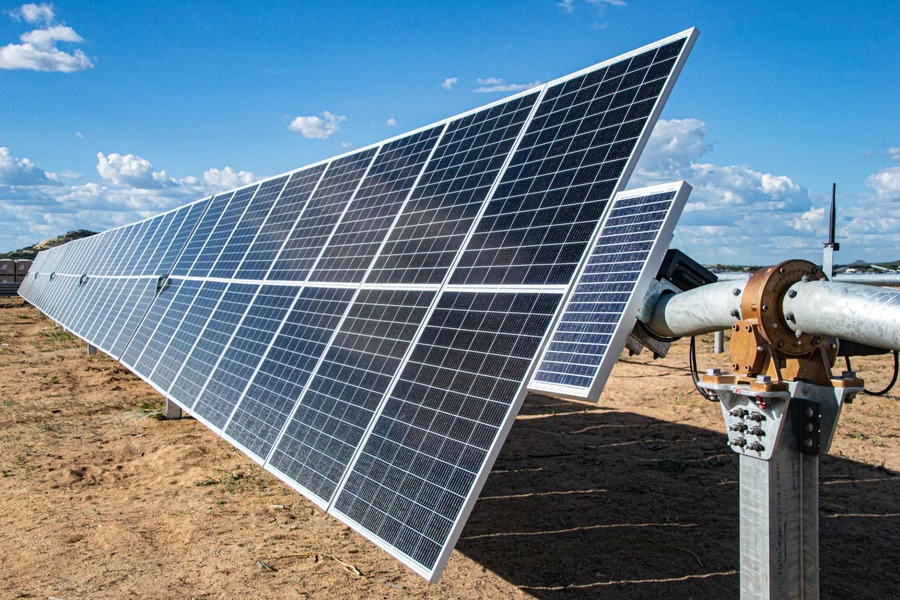
Photovoltaic modules for utility, commercial rooftop, and solar-plus-storage applications.
Specifications, certifications, availability and suitability must be confirmed for the selected model and project. Refer to the datasheet for detailed information.
Tell us about your site, electrical requirements, project location and timeline. We can help assess equipment fit and integration needs.
Contact TYR AuroraDry-Type Power Distribution Transformers
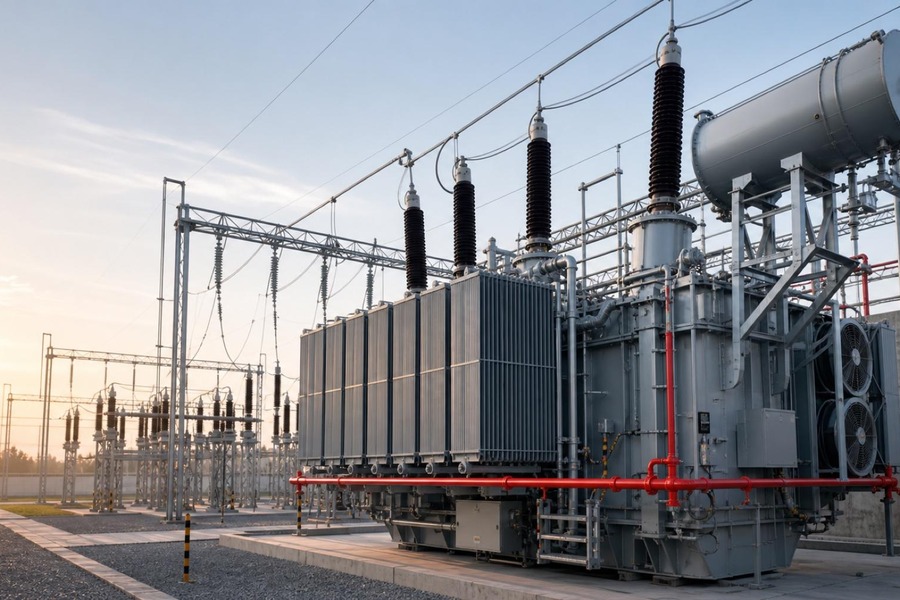
Dry-type transformer options for electrical distribution, solar PV+BESS facilities and critical power infrastructure.
Specifications, certifications, availability and suitability must be confirmed for the selected model and project. Refer to the datasheet for detailed information.
Tell us about your site, electrical requirements, project location and timeline. We can help assess equipment fit and integration needs.
Contact TYR AuroraABB SafeRing / SafePlus 36
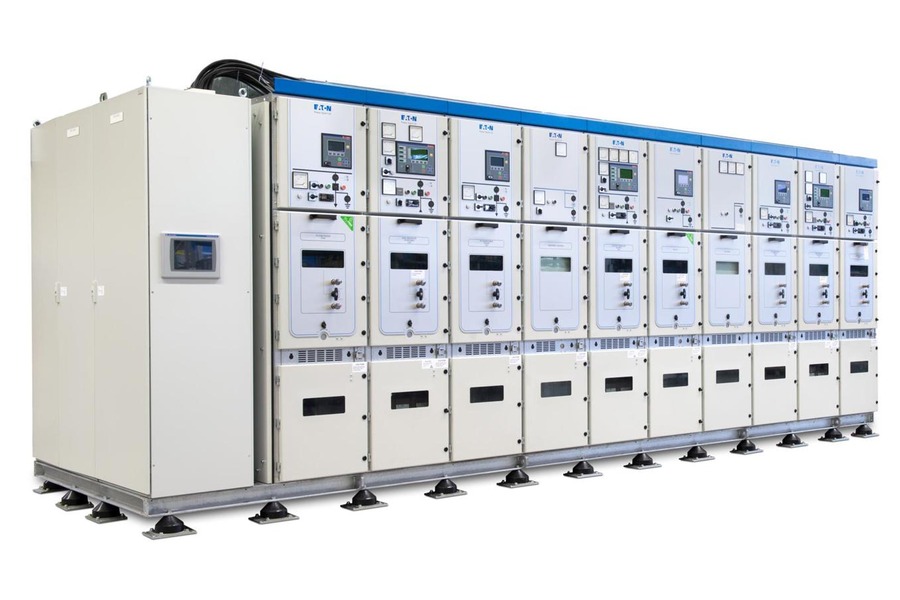
Medium-voltage gas-insulated switchgear for compact distribution substations and project electrical infrastructure.
Specifications, certifications, availability and suitability must be confirmed for the selected model and project. Refer to the datasheet for detailed information.
Tell us about your site, electrical requirements, project location and timeline. We can help assess equipment fit and integration needs.
Contact TYR AuroraHybrid Solar–Storage–Diesel Power System
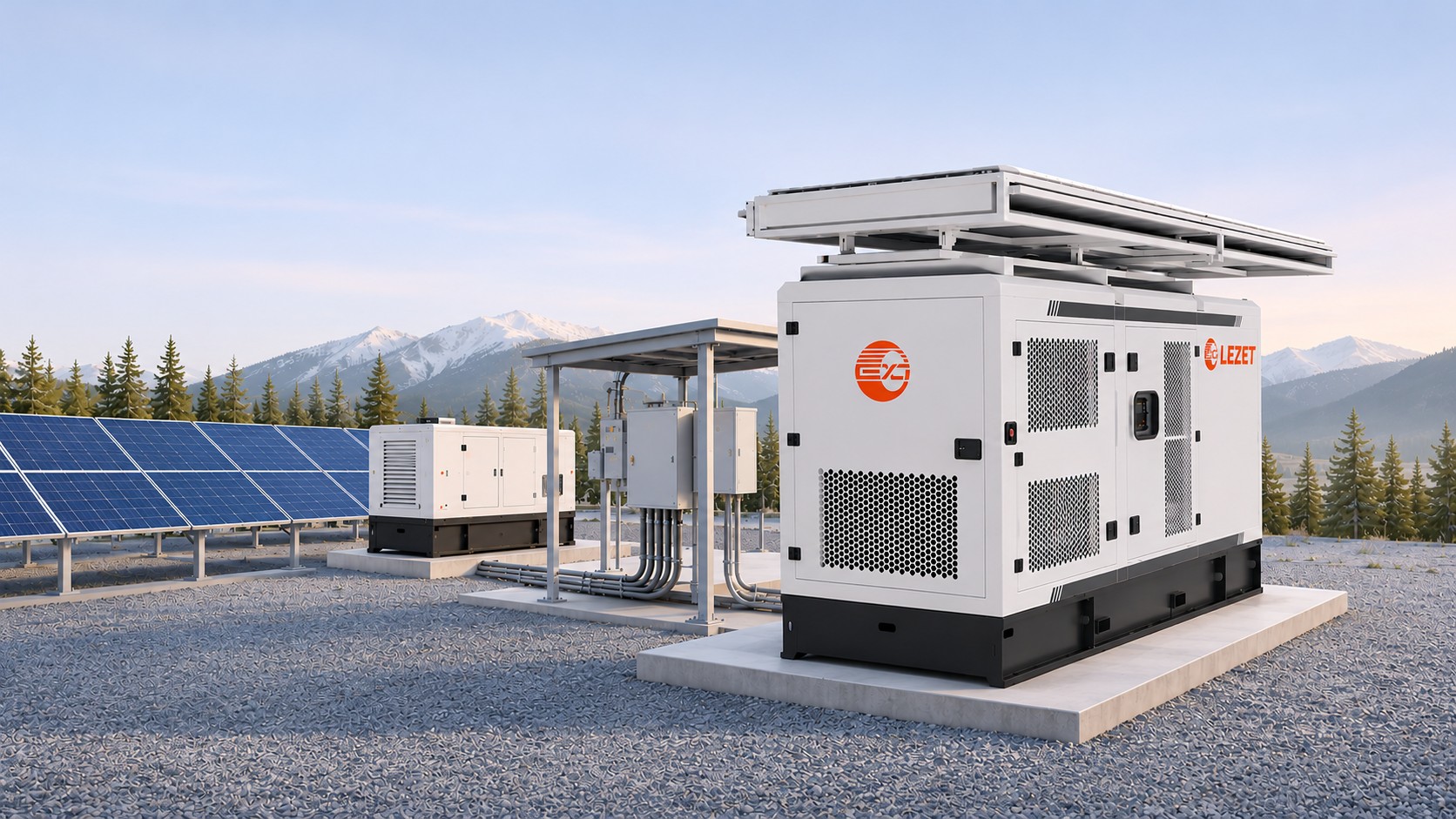
Integrated hybrid power solution for remote facilities and off-grid applications.
Specifications, certifications, availability and suitability must be confirmed for the selected model and project. Refer to the datasheet for detailed information.
Tell us about your site, electrical requirements, project location and timeline. We can help assess equipment fit and integration needs.
Contact TYR AuroraFrom Energy Requirements to Practical Project Execution
Energy projects require more than equipment selection. Customers must understand their energy use, define the right system configuration, evaluate project economics, coordinate multiple suppliers, navigate funding and utility requirements, and plan for long-term operation.
TYR Aurora supports customers across the project lifecycle, from preliminary energy assessment and system configuration to equipment sourcing, integration coordination, and operational optimization.
Our services are tailored to the project stage, available information, technical requirements, and customer objectives.

Explore this service →

Explore this service →
Explore this service →

Explore this service →
Explore this service →
A suitable energy solution begins with an understanding of how the facility or project uses power.
TYR Aurora reviews available energy data, operating requirements, electrical constraints, site conditions, and future development plans before comparing system options.
Data center capacity-growth plans.
Critical-load and resilience requirements.
Planned facility expansion or electrification.
Remote and off-grid microgrids.
Transformers and switchgear.
Modular power and data center infrastructure.
Preliminary project assumptions and data gaps.
Recommended next steps.
Modeling results are preliminary unless confirmed through detailed engineering and verified operating data.
Canadian energy projects may have access to federal, provincial, territorial, utility, Indigenous, tax, financing, or infrastructure-support programs.
TYR Aurora helps customers identify potentially relevant programs and organize the project information required for initial screening and application discussions.
Equipment and integration information.
Coordination of supporting technical documents.
Tracking program status and application requirements.
Funding, tax credits, financing, and program eligibility are determined by the responsible administrator, lender, tax authority, or program delivery organization.
Application timing.
Funding amount.
Project approval.
Customers should obtain qualified legal, tax, financial, engineering, and Indigenous-relations advice where required.
Energy and power-infrastructure projects may include equipment from multiple manufacturers. Each component must be evaluated not only individually, but also as part of an integrated system.
TYR Aurora helps translate project requirements into coordinated equipment packages and clearly defined technical interfaces.
Modular power infrastructure.
Modular data center infrastructure.
Related balance-of-system equipment.
Indicative lead-time review.
Delivery and logistics planning.
Warranty and service-information review.
Microgrid controls and generators.
Power infrastructure and data center systems.
Monitoring platforms and customer operating systems.
Detailed engineering, stamped design, permitting, installation, protection settings, interconnection approval, and commissioning must be performed or approved by appropriately qualified parties where required.
Once a project direction has been selected, customers need to coordinate technical information, suppliers, engineering teams, contractors, utilities, and project schedules.
Commissioning preparation.
Training and handover-document coordination.
Project issue tracking.
TYR Aurora’s role and deliverables are defined for each engagement. Regulated professional services and trade work are performed by appropriately qualified organizations and individuals.
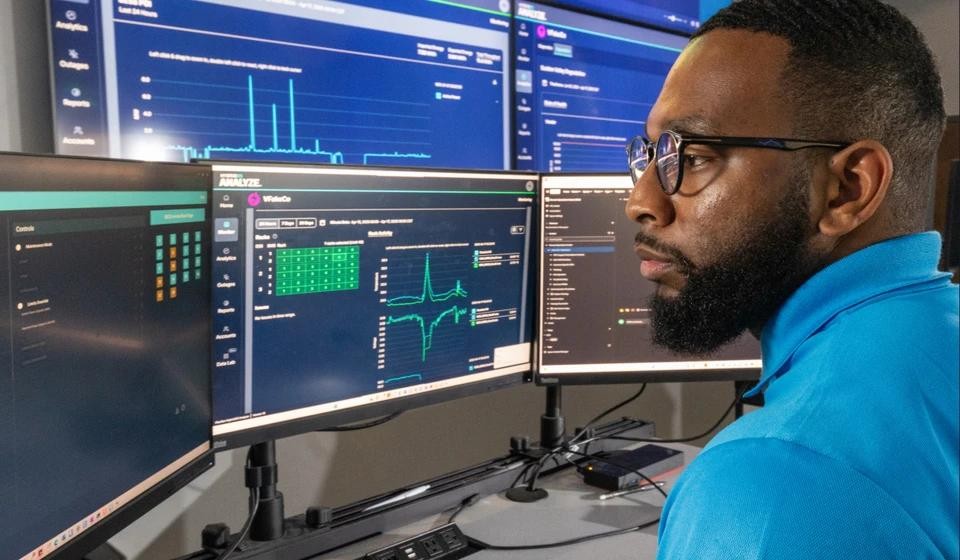
Energy systems must be monitored, maintained, and adjusted as operating conditions change.
Where included in the project scope, TYR Aurora can help coordinate lifecycle services for the selected equipment and integrated system.
Capacity-expansion planning.
Equipment replacement planning.
Supplier and service-partner coordination.
Actual energy use may change after a system is installed because of production schedules, facility growth, tariffs, charging requirements, weather, or equipment operation.
Demand-response opportunities.
System alarms and operational trends.
Opportunities for future expansion.
Performance improvements depend on available data, equipment capability, customer authorization, tariff structure, operating practices, and the agreed service scope.
Understand the customer’s energy challenge, project stage, operating requirements, schedule, and decision priorities.
Review available utility, load, site, equipment, technical, and commercial information.
Develop preliminary system options and identify suitable technologies, equipment requirements, and operating strategies.
Support supplier engagement, technical interfaces, documentation, integration planning, and project-team communication.
Help the customer progress through the agreed project-development, procurement, and implementation activities.
Coordinate monitoring, lifecycle support, operating review, and future expansion where included in the service scope.
Start with load analysis, tariff review, and preliminary system sizing.
Start an Energy Assessment →Review potentially relevant grants, incentives, tax measures, financing, and project-development programs.
Explore Funding Opportunities →Define the application, technical requirements, quantity, schedule, and information required.
Request Product Information →Tell us about the project location, stage, objectives, known requirements, and available data.
Discuss Your Project →Discuss monitoring, warranty coordination, maintenance planning, operating performance, or capacity expansion.
Discuss Lifecycle Support →Explore jurisdictions and topics relevant to solar, storage, microgrids, electrification and power infrastructure.
Federal funding, financing, and tax measures that may be relevant to renewable energy, storage, and remote or off-grid projects. Availability and eligibility vary by program.
Program status reference: October 30, 2026 · Confirm current details with the responsible administrator.
Northern Responsible Energy Approach for Community Heat and Electricity
Supports northern community renewable energy, energy efficiency, planning, and capacity building, with a focus on Indigenous-led or partnered projects. Applications may be submitted on a rolling basis with no fixed deadline.
Previously supported renewable energy, efficiency, and capacity-building projects in rural, remote, and Indigenous communities. Funding is fully committed and new applications are no longer accepted. Scheduled program end: March 31, 2027.
Supports renewables, grid modernization, storage, and certain Indigenous-led clean energy projects. The Indigenous-Led Clean Energy and Utility Support streams were not accepting applications as of the reference date; future intakes may be announced.
Potential long-term infrastructure financing for qualifying projects that directly benefit Indigenous communities. This is financing, not a grant. Investment programs were under review; proponents should contact CIB about their projects.
Qualifying Canadian taxable corporations may be eligible for a refundable tax credit of up to 30% of eligible capital costs for certain new clean technology assets, potentially including solar and stationary electricity storage. Specific technical, tax, and labour requirements apply; backup-only storage may be ineligible.
TYR Aurora helps customers identify potentially relevant programs and organize technical information for preliminary eligibility discussions and applications. Program availability, funding levels, deadlines, eligible applicants, and eligible costs can change. Funding, financing, and tax-credit eligibility must be confirmed with the responsible administrator or qualified adviser; approval is not guaranteed.
Preliminary program landscape for project screening — not a verified list of open applications. Funding, financing, tax measures, and utility incentives have different eligibility rules. Check official program pages before relying on any opportunity.
Potential support to investigate: BC Hydro energy-efficiency and demand-side management incentives; provincial clean-energy and Indigenous energy initiatives.
Project screening: For C&I BESS, confirm current BC Hydro program eligibility, performance requirements, and utility approvals.
Application status and eligibility: confirm with the responsible program administrator.Potential support to investigate: Emissions Reduction Alberta funding opportunities; provincial and municipal efficiency and clean-energy initiatives.
Project screening: Screen innovation and emissions-reduction eligibility; verify program intake and project cost requirements.
Application status and eligibility: confirm with the responsible program administrator.Potential support to investigate: SaskPower customer efficiency and self-generation programs; provincial and Indigenous clean-energy initiatives.
Project screening: Check utility interconnection, rate structures, and any currently available project-specific support.
Application status and eligibility: confirm with the responsible program administrator.Potential support to investigate: Efficiency Manitoba incentives for eligible efficiency improvements; Manitoba Hydro and community energy initiatives.
Project screening: Confirm whether a proposed storage or microgrid component is eligible rather than assuming inclusion.
Application status and eligibility: confirm with the responsible program administrator.Potential support to investigate: Save on Energy business programs; IESO innovation and electricity-system initiatives; selected provincial clean-energy opportunities.
Project screening: Review demand-response, facility-efficiency, project-size, and program eligibility separately.
Application status and eligibility: confirm with the responsible program administrator.Potential support to investigate: Hydro-Québec energy-efficiency and demand-management offerings; Québec clean-technology and electrification initiatives.
Project screening: Confirm program fit, French-language application requirements, and utility technical conditions.
Application status and eligibility: confirm with the responsible program administrator.Potential support to investigate: NB Power and provincial efficiency programs; community and clean-energy development initiatives.
Project screening: Verify business and institutional eligibility, supported measures, and open application periods.
Application status and eligibility: confirm with the responsible program administrator.Potential support to investigate: Efficiency Nova Scotia business programs; provincial clean-electricity and community-energy initiatives.
Project screening: Assess renewable generation, resilience, and demand-management opportunities against current program rules.
Application status and eligibility: confirm with the responsible program administrator.Potential support to investigate: efficiencyPEI programs; provincial renewable-energy and community energy initiatives.
Project screening: Check eligible applicant types, equipment classes, and available funding allocations.
Application status and eligibility: confirm with the responsible program administrator.Potential support to investigate: provincial energy-efficiency initiatives; utility and remote-community energy development opportunities.
Project screening: Focus on diesel reduction and remote-system economics, and confirm current delivery partners.
Application status and eligibility: confirm with the responsible program administrator.Potential support to investigate: Yukon energy-efficiency and renewable-energy initiatives; utility and community clean-energy programs.
Project screening: Screen remote-grid constraints, Indigenous partnerships, and project-specific application windows.
Application status and eligibility: confirm with the responsible program administrator.Potential support to investigate: Arctic Energy Alliance efficiency and renewable-energy programs; territorial and community diesel-reduction initiatives.
Project screening: Confirm community eligibility, fuel-displacement assumptions, and available funding.
Application status and eligibility: confirm with the responsible program administrator.Potential support to investigate: territorial and community energy initiatives; federal northern and Indigenous programs that may apply.
Project screening: Evaluate diesel displacement, community ownership, infrastructure readiness, and applicable federal support.
Application status and eligibility: confirm with the responsible program administrator.Explore funding and policy considerations by energy application. These summaries are preliminary screening guidance, not a verified list of currently open programs.
Review utility demand charges, peak-shaving opportunities, load shifting, resilience needs, and storage dispatch requirements.
Funding and support to investigate: Potential pathways to screen: utility demand-management incentives, provincial efficiency programs, federal clean-technology tax measures, and eligible innovation or demonstration funding.
Project screening: Confirm eligible storage use, metering and dispatch requirements, tariff treatment, interconnection, and whether a program supports standalone BESS.
Illustrative guidance only. Program status, eligibility, deadlines, and funding amounts require confirmation with official administrators.Evaluate rooftop, ground-mounted, and community renewable generation, including solar-plus-storage and projects serving remote loads.
Funding and support to investigate: Potential pathways to screen: federal clean-technology tax measures, provincial renewable-energy programs, utility generation or efficiency offerings, and community clean-energy funding.
Project screening: Confirm applicant eligibility, eligible equipment, self-generation and export rules, project ownership, and grid-connection requirements.
Illustrative guidance only. Program status, eligibility, deadlines, and funding amounts require confirmation with official administrators.Consider fleet charging, workplace and public charging, electrical service upgrades, and integration with on-site solar and storage.
Funding and support to investigate: Potential pathways to screen: eligible federal or provincial zero-emission transport and charging initiatives, utility make-ready or electrification programs, and project-specific infrastructure financing.
Project screening: Confirm charger type, site access, ownership, electrical upgrades, utility capacity, and whether the relevant intake is open.
Illustrative guidance only. Program status, eligibility, deadlines, and funding amounts require confirmation with official administrators.Explore hybrid solar, battery, generator, and microgrid-control configurations for remote, Indigenous, and off-grid communities or facilities.
Funding and support to investigate: Potential pathways to screen: Northern REACHE, eligible northern and Indigenous clean-energy initiatives, community infrastructure financing, and future renewable-energy program intakes.
Project screening: Assess community partnership and consent, diesel displacement, local operating capacity, seasonal reliability, and program-specific eligibility.
Illustrative guidance only. Program status, eligibility, deadlines, and funding amounts require confirmation with official administrators.Examine demand charges, time-based rates, demand response, grid-service participation, and dispatch constraints before estimating savings.
Funding and support to investigate: Potential pathways to screen: utility demand-side management programs, eligible system-flexibility or innovation initiatives, and project-specific grid modernization opportunities.
Project screening: Verify the applicable utility tariff, participation rules, measurement and verification, export limitations, and potential conflicts between incentives and operating strategies.
Illustrative guidance only. Program status, eligibility, deadlines, and funding amounts require confirmation with official administrators.Assess grid-connection capacity, transformers, switchgear, modular power, backup generation, BESS, and phased facility expansion.
Funding and support to investigate: Potential pathways to screen: eligible energy-efficiency and electrification programs, clean-technology tax measures for qualifying assets, and infrastructure or innovation financing.
Project screening: Do not assume data-centre facilities or backup-only equipment qualify; verify asset-level eligibility, utility service capacity, reliability requirements, and engineering approvals.
Illustrative guidance only. Program status, eligibility, deadlines, and funding amounts require confirmation with official administrators.Access for registered customers and business partners.
Portal preview only. Secure account sign-in is not yet connected. Please do not enter a real password.
Whether you're exploring energy storage, hybrid microgrids,
or power infrastructure, we're ready to discuss your project.
Tell us about your project and our team will be happy to discuss the next steps.
How we collect, use, and protect information shared through our website.
At tyrauroraenergy.com, we value your privacy and are committed to protecting the personal information that you share with us. This Privacy Policy is designed to inform you about how we collect, use, and protect your personal information in accordance with Canadian privacy laws.
We collect personal information that you voluntarily provide to us. This may include your name, email address, phone number, and any other information you choose to provide, such as through a contact form.
When you visit our website, we may automatically collect certain technical information like your IP address, browser type, pages you viewed, and the dates/times of your visits.
We may use the information we collect for various purposes, including:
To respond to your inquiries or requests.
To improve our website and customer service.
To send periodic emails, if you opt-in to our mailing list.
To comply with legal obligations or in response to lawful requests by public authorities.
We value your trust, and as a commitment to you, we do not sell, trade, transfer, or share your personal information with any third parties under any circumstances. All development, maintenance, and operational tasks related to our website are managed in-house, ensuring your data remains strictly within TYR Aurora Energy Solution LTD..
We implement a variety of security measures to maintain the safety of your personal information. While no online transaction is 100% secure, we strive to protect your personal information to the best of our abilities.
By using our website, you consent to our website’s privacy policy.
You have the right to access, correct, or delete your personal information in our records. You may also opt-out of any future contacts from us at any time.
We may periodically update this Privacy Policy. Any changes made will be reflected on this page with an updated effective date.
If you have questions regarding this Privacy Policy, you may contact us using the information provided on our website.